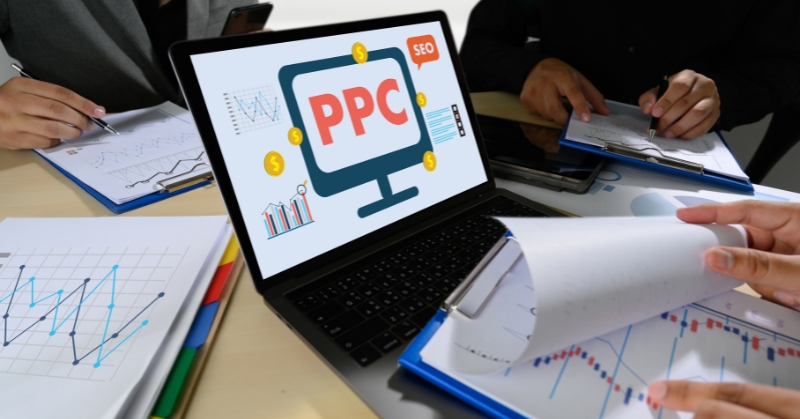
Pay-Per-Click (PPC) advertising is a powerful way for small businesses to drive targeted traffic and increase conversions. Unlike organic marketing strategies that take time to yield results, PPC provides immediate visibility on search engines and social media platforms. By bidding on relevant keywords, businesses can display their ads to potential customers who are actively searching for their products or services.

Steps to Creating an Effective PPC Strategy
1. Define Your Goals and Budget
Before launching a PPC campaign, establish clear objectives. Are you aiming to increase website traffic, generate leads, or boost sales? Setting measurable goals helps track performance and optimize ad spend. Additionally, allocate a budget that aligns with your business size and expected return on investment (ROI).
2. Conduct Keyword Research
Choosing the right keywords is crucial for a successful PPC campaign. Use keyword research tools like Google Keyword Planner to identify high-intent search terms. Focus on:
- Long-tail keywords (e.g., “affordable PPC services for small businesses”) for lower competition and higher conversion rates.
- Negative keywords to exclude irrelevant traffic and optimize ad spend.
3. Optimize Ad Copy for Higher Click-Through Rates (CTR)
Your ad copy should be compelling and action-driven. A high-performing PPC ad includes:
- A clear and relevant headline incorporating the target keyword.
- Persuasive ad descriptions that highlight unique selling points.
- A strong call-to-action (CTA) such as “Get a Free Quote” or “Shop Now.”
4. Design a High-Converting Landing Page
A well-optimized landing page improves user experience and maximizes conversions. Key elements include:
- A fast-loading and mobile-friendly design.
- A clear headline and value proposition.
- An easy-to-complete lead form or checkout process.
- Trust signals like testimonials, reviews, and security badges.
5. Utilize Digital Marketing Strategies for Better PPC Results
To maximize the impact of PPC campaigns, integrate them with other Digital Marketing techniques:
- SEO: Improve organic rankings and complement PPC efforts.
- Retargeting: Re-engage users who previously visited your site but didn’t convert.
- Social Media Ads: Expand reach and brand awareness.
- Email Marketing: Nurture leads acquired through PPC campaigns.
6. Monitor and Optimize Performance
PPC success requires continuous analysis and optimization. Key performance indicators (KPIs) to track include:
- Click-Through Rate (CTR): Indicates ad relevance and engagement.
- Cost-Per-Click (CPC): Helps manage budget efficiency.
- Conversion Rate: Measures the effectiveness of landing pages.
- Quality Score: Impacts ad placement and cost.
Regularly A/B test ad copy, landing pages, and bidding strategies to enhance campaign performance.
Final Thoughts
A well-executed PPC strategy can significantly benefit small businesses by driving qualified traffic and boosting sales. By setting clear goals, leveraging digital marketing techniques, and optimizing campaigns based on performance data, businesses can achieve sustainable growth. Start small, analyze results, and refine your strategy for long-term success.
Want to explore more digital marketing solutions? Check out Shivu Key for expert insights and services!