
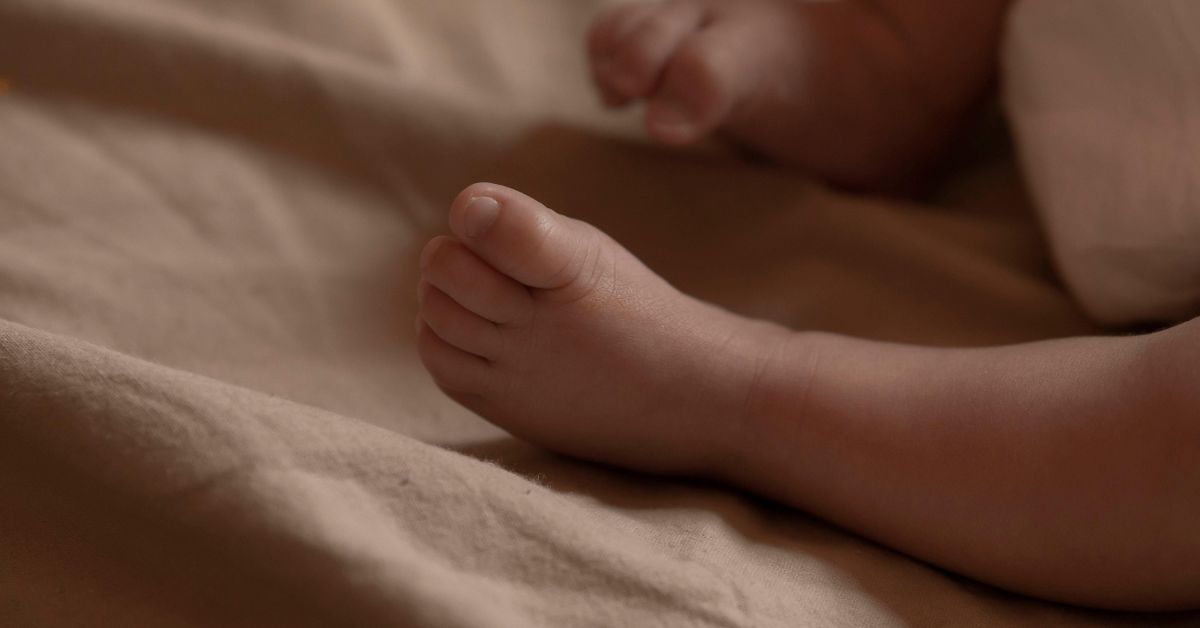
When a child’s toes seem to point inward, it can look puzzling at first glance, and it often raises a lot of practical questions. Parents want to know what’s normal, what needs attention, and how to choose an approach that actually fits their child’s needs. The good news is that forefoot adduction often responds beautifully to early, gentle strategies that keep play and milestones on track. With a clear plan and steady follow‑through, families can move from uncertainty to confident action in a matter of weeks.
What forefoot adduction looks like in everyday life: first steps toward forefoot adduction treatment
Forefoot adduction, sometimes called metatarsus adductus, means the front of the foot curves inward while the heel stays in a neutral position. In everyday moments, that can look like a crescent‑shaped foot, shoes that seem to angle inward, or footprints that turn in more than expected on soft ground. Caregivers might notice socks twisting or a favorite pair of soft shoes wearing unevenly at the inner edge. The heel typically points straight ahead, which helps distinguish this from other conditions like clubfoot.
Many cases are flexible, which means the forefoot can be gently moved toward a straighter position by hand. Semi‑flexible feet move partway and then “spring back,” while rigid feet hold their curve even when steady pressure is applied. Day to day, flexible feet often keep pace with play and tummy time, whereas stiffer feet may make early standing or shoe fitting feel a bit finicky. Noticing how easily the foot re‑aligns by hand is a powerful first clue about the likely treatment path and pace.
Parents sometimes worry that inward‑pointing feet will slow crawling or walking, but in many children mobility keeps unfolding on schedule. As balance challenges get trickier-like cruising along furniture-the turn‑in can become more visible, especially when a child is tired. Photos taken every week or two can reveal gradual changes that are hard to catch in the moment. Simple, consistent observations build a clearer story than a single snapshot ever could.
Flexible, semi‑flexible, or rigid: how severity shapes the treatment plan
Severity is typically described along a spectrum: flexible, semi‑flexible, and rigid. Clinicians often use the heel‑bisector method, visually tracing where a line from the heel lands across the forefoot to grade how far inward the forefoot curves. Range‑of‑motion checks and the feel of the soft tissues help refine that impression. A precise severity snapshot steers everything else-the frequency of stretching, the need for bracing or casting, and how closely progress is tracked.
Flexible cases tend to respond to gentle home stretches and simple positioning tweaks woven into daily routines. Semi‑flexible feet may add structured orthoses or short casting sequences to nudge alignment and hold gains between sessions. Rigid cases, especially beyond infancy, sometimes require longer casting phases and very consistent bracing to lock in change. Think of it as matching the “nudge” to the foot’s personality-lighter nudges for flexible feet, steadier holds for stiffer ones.
The pace of progress often mirrors the starting stiffness. Flexible feet can show visible changes week by week, while semi‑flexible and rigid feet may unfold over a few months. That’s not a setback-it’s simply a slower arc toward the same goal. Regular check‑ins allow tiny course corrections, so gains stack up and stay put. Consistency beats intensity almost every time with growing feet.
Important to know
Comfort is data. If a child resists a particular stretch or fit, that feedback matters as much as any measurement. Small adjustments-angle, duration, or timing-often turn struggle into steady progress.
Treatment paths compared: from gentle methods to advanced care
Most care plans start with the least invasive tools that still get the job done. Gentle, repeated stretches, foot‑friendly positioning during diaper changes, and play that encourages outward movement can create strong early momentum. If more structure is needed, soft orthoses or night splints hold the forefoot in a corrected arc so daytime play stays free and easy. Short casting series may join the plan when the foot needs a firmer guide to remember its new alignment.
When families explore options, they often come across resources that break down choices by age and rigidity level. A practical overview of forefoot adduction treatment can help caregivers understand how stretching, bracing, or casting fit together, and what progress typically looks like week to week. It also clarifies how and when clinicians pivot between methods to keep gains moving. Transparent roadmaps reduce second‑guessing and help everyone stick with a plan long enough to see results.
Surgery is rarely the first stop and, for many children, is never needed at all. It enters the conversation later-often for persistent, rigid curves that limit function or shoe fit despite diligent non‑surgical care. Even then, timing and technique are individualized, with a strong focus on preserving natural motion and supporting growth. Non‑invasive steps do the heavy lifting in most cases, while surgical options remain a thoughtful backup.
Timing matters: key treatment milestones by age
Newborn to three months is a sweet spot for gentle stretching, because soft tissues are remarkably adaptable. Caregivers can thread short, calm stretches into diaper changes, bath time, and sleepy cuddles without turning the day into a clinic session. If an orthosis is recommended, early adoption helps the foot “learn” alignment while the child learns the world. Small, steady inputs repeated often are the magic of this window.
From three to nine months, curiosity and movement explode, which is both fun and strategic. Guided play-like reaching across midline or kicking against a soft roll-builds strength that supports the new foot position. If a casting series is part of the plan, this is a common stage to deploy it, followed by a holding phase in braces to make gains stick. Think of it as progress, hold, then progress again.
Beyond nine months, plans focus on maintaining alignment through growth spurts and new skills like cruising and walking. Shoe choice begins to matter: flexible soles and roomy toe boxes keep the forefoot happy while coordination catches up. Check‑ins may spread out, but each visit still fine‑tunes the home routine. As skills level up, the plan evolves right alongside the child.
Smart questions to ask at the first clinical visit
Clear questions make first appointments much more productive. Parents often bring short videos of tummy time or early standing to show how the foot behaves under gentle load. That context, paired with hands‑on assessment, sharpens the plan and the timeline. Real‑life clips turn a ten‑minute exam into a full story.
It helps to pin down how progress will be measured-photos, a heel‑bisector grade, or range‑of‑motion notes-and how often. Knowing those anchors keeps everyone aligned about what “better” looks like next week versus next month. It also prevents unnecessary worry when normal day‑to‑day ups and downs appear. When success has a yardstick, decisions feel easier.
Parents also benefit from clarity on what happens if Plan A underdelivers. Understanding the next step-bracing tweaks, casting, or a specialist referral-removes the fear of the unknown. With that map in hand, families can focus on the daily actions that add up. Options on deck turn pressure into poise.
Smart starter questions to bring along:
- How is the foot’s severity classified today, and what does that mean for the first month of care?
- Which daily stretches or positions matter most, and how long should each last?
- What signs show the plan is working, and what timeline is reasonable for those changes?
- If bracing or casting is recommended, how will fit and comfort be checked and adjusted?
- How often should follow‑ups be scheduled, and what measurements will be tracked each time?
- If progress stalls, what is the next step and when would that pivot happen?
Key facts parents often ask about forefoot adduction
Before comparing therapies, it helps to anchor expectations with a few widely reported figures and practical ranges. These numbers vary by study and region, but they sketch the contours of typical care in 2024. Seen together, they explain why early, consistent support is so effective for many children. Ranges are more useful than single numbers because children and timelines are wonderfully individual. To see the differences more clearly, here is a table showing typical ranges and milestones for forefoot adduction care in 2024.
| Metric | Typical range or figure | Notes (2024) |
|---|---|---|
| Estimated prevalence among newborns | ~0.1% to 1.0% | Varies by population and reporting methods |
| Common age at recognition | Birth to 6 months | Often visible in early photos and routine checks |
| Non‑surgical improvement in flexible cases | ~80% to 95% | With consistent stretching and/or bracing |
| Typical casting phase (if used) | 4 to 8 weeks | Followed by bracing to maintain correction |
| Recurrence after successful non‑surgical care | <10% | Most recurrences respond to resumed bracing |
| When surgery is usually considered | Later childhood, selective cases | Reserved for persistent, rigid, function‑limiting curves |
These figures highlight a durable theme: early detection plus steady, family‑friendly care carries a high probability of success. The shorter the distance between noticing a curve and starting a plan, the smoother the journey tends to be. Even when treatment pivots-say, from stretches to a bracing phase-the long view remains upbeat. Momentum, not speed, is the goal.
Data guide decisions, but the child in front of the team sets the rhythm. A flexible foot with rapid gains might downshift support sooner, while a semi‑flexible foot may cruise longer in a holding pattern to cement change. The aim is durable comfort and function, not just a perfect photo at week four. Healthy feet tell their story through play, balance, and smiles as much as through numbers.
Everyday life tweaks that support lasting progress
Daily routines do a lot of quiet heavy lifting. During diaper changes, a slow, friendly stretch that holds for several calm breaths can be more effective than a fast tug. Play mats, soft rolls, and finger‑chase games can invite the forefoot to reach outward without any sense of “therapy time.” When care feels like play, consistency gets easy.
Shoe choices matter once standing takes the stage. Flexible soles and roomy toe boxes let the forefoot spread and strengthen without squeezing the curve. If bracing is part of the plan, quick “comfort checks” after naps and play sessions keep little red marks from turning into pressure points. Fit is fluid-check it the way a parent checks nap schedules and snack times.
Finally, simple tracking boosts confidence. A quick photo every one to two weeks under similar lighting helps the eye notice gradual shifts. Short notes about comfort, new skills, and nap‑time stretches round out the picture. Progress loves proof, and proof feeds motivation.
Easy, high‑impact tweaks to try at home:
- Pair diaper‑time stretches with a favorite song to keep the mood relaxed and repeatable.
- Use play that reaches across midline-think passing toys hand‑to‑hand or gentle toe tickles on the outer foot.
- Choose soft, flexible shoes with a generous toe box once standing and cruising begin.
- Schedule brief brace “comfort checks” after naps and active play to adjust straps or socks.
- Keep a two‑week photo cadence to make slow, steady gains obvious to the whole family.
Choosing the right forefoot adduction treatment: calm, confident decision‑making
Across plans and timelines, the winning pattern is simple: clear assessment, age‑smart strategy, and consistent, kid‑friendly follow‑through. With that trio in place, the path to the right forefoot adduction treatment becomes less about guesswork and more about small, confident steps that add up. Most families watch curves soften, comfort rise, and play open wide-one gentle nudge at a time. The destination is durable alignment that supports a child’s curiosity, balance, and joy.