There’s a moment when a random thought turns into a real show concept, and that’s where a hit podcast begins. The leap from idea to launch looks huge, but with a simple plan, the path gets surprisingly clear. A smart structure, some consistent habits, and a few creative bursts can carry a creator from zero to the first subscribers. The trick is to build momentum early and let the show’s voice do the heavy lifting.
Find the Angle: Sharpening the Podcast Concept Into a Click-Worthy Hook
Every great podcast starts with a crisp angle, not just a category. Instead of marketing tips, think bite-size breakdowns of clever campaigns that solo founders can copy on Monday morning. That extra specificity gives episodes a spine and makes the show easy to describe, which is half the battle in winning attention. Clarity beats complexity because listeners choose shows that feel instantly graspable.
It helps to pressure-test the angle with three quick questions: what problem does the show solve, why this host, and why now. If each answer feels strong and punchy, the concept is in the right neighborhood. If not, tweak the premise until it feels like a one-liner that sticks in the brain. A concept that sparks curiosity in a sentence often fuels seasons of content without running dry.
Titles and taglines deserve real attention, because they’re the show’s storefront. A magnetic name plus a direct, benefit-driven subtitle give listeners a reason to click. Think about keywords as seasoning, not the whole meal; the vibe still needs to feel human and fun. Memorable beats clever, and promise beats poetry when someone is scrolling fast.
Know the Audience Like a Co-Host: Research That Drives Real Results
Audience research doesn’t need to be fancy to be useful. A creator can sketch a one-page listener profile with goals, sticking points, and favorite hangouts online. Then, match each episode to one felt problem that the listener faces so the show stays grounded. When episodes map to real-life moments, completion rates and shares rise naturally.
Signals hide in plain sight: subreddit threads, YouTube comments, and niche newsletters reveal what people ask again and again. Collect recurring questions and cluster them into mini-series themes, which makes planning easier and binge-listening more likely. This approach turns content chaos into a neat roadmap. Patterns turn into pillars, and pillars turn into a durable format.
Community touchpoints matter as much as downloads. Q&A boxes, simple surveys, and warm DMs can shape the next outline in real time. When listeners hear their language echoed back, they stick around and invite friends. In podcasting, belonging is a feature, not an afterthought.
Format, Flow, and Name: Craft a Standout Podcast Identity
Deciding between solo, interview, or hybrid sets the show’s rhythm and editing load. Solo gives control and speed; interviews bring range and built-in distribution via guests; hybrids keep it fresh without whiplash. Whatever the pick, keep segments consistent so listeners learn the beats. Rhythm is retention—familiar structure lowers friction and builds habit.
Timeboxing saves the day: a tight 18–28 minutes for education, 35–50 for deep conversation, and bite-size, 8–12-minute quick hits. Consider a cold-open hook, a brisk intro, the core segment, and a closing loop that previews the next episode. That loop keeps the feed feeling like a story, not isolated tracks. Teases are tiny promises that build future listens.
Show identity lives in the ear as much as on the cover art. A simple sonic logo, a consistent mic tone, and a recognizable greeting become a ritual. A creator can sound like a friend in the room without sacrificing polish. Sound quality sets the floor; storytelling sets the ceiling.
Smart Gear Choices for 2025: Simple Setups, Clean Sound
Gear should simplify creativity, not slow it down. A USB dynamic microphone plus headphones and a quiet corner can outperform complex gear in a noisy space. For anyone just gearing up, here’s a quick 2025 snapshot of starter mics and typical street prices that keeps decision fatigue low. Start simple, capture clean audio, and upgrade only when bottlenecks appear.
| Microphone | Connection | Typical 2025 Price (USD) | Best For | Quick Note |
| Audio-Technica ATR2100x-USB | USB / XLR | ~$79 | Beginners, dual-use | Flexible upgrade path; forgiving in untreated rooms. |
| Samson Q2U | USB / XLR | ~$69 | Budget-friendly starters | Great value; includes basic stand and cables. |
| Rode PodMic USB | USB / XLR | ~$199 | Voice-forward talk shows | Solid build; clean tone with minimal fuss. |
| Shure MV7 | USB / XLR | ~$249 | Hybrid setups | Companion app helps dial in presence and tone. |
| Shure SM7B | XLR | ~$399 | Pro studios | Needs a good preamp/Cloudlifter for proper gain. |
Prices vary by region and supply, but these ranges make it easy to budget without compromising clarity. A few acoustic panels or thick curtains can radically improve any mic on this list. Treat the room, watch the gain, and keep mouths two to three fists from the capsule for consistently rich sound.
On software, lightweight tools beat feature creep for most creators. A simple recorder/editor, a reliable AI denoiser, and a transcript tool cover 90% of needs. The real edge comes from repeatable workflows—templates for intros, markers for segments, and a checklist for exports. Consistency compounds; templates turn chaos into creative momentum.
Recording Day: Presence, Performance, and Pro-Level Sound
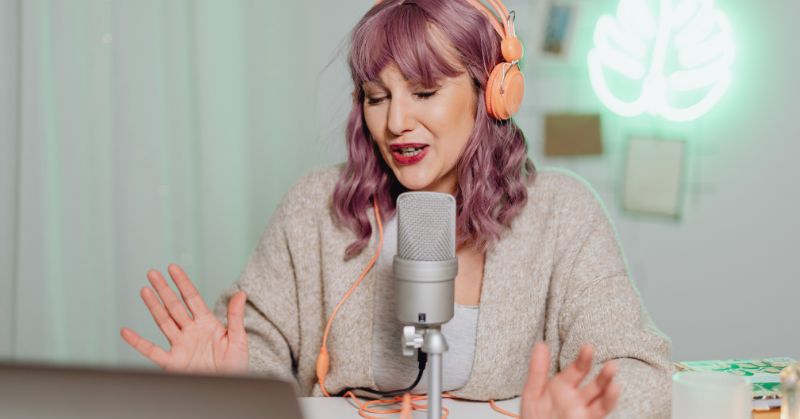
Microphone technique is the unsung hero: speak across the mic, not straight into it, to tame plosives; keep a steady distance; monitor levels so peaks don’t clip. A quick warm-up—lip trills, tongue twisters, and a few deep breaths—adds clarity and confidence. Even pros rehearse the first 30 seconds to nail the energy. The opening line sets the tone for the entire episode.
Guests appreciate a frictionless experience. A short prep doc, a two-minute tech check, and a friendly rundown of the episode flow create relaxed conversation. If a studio partner is involved, the session becomes even smoother with dedicated engineering and guidance; for example, Dabru Podcast Studio handles production logistics so the host can focus purely on content. Less tech stress equals more authentic storytelling.
Editing starts during recording: mark standout moments, flag stumbles with quick claps, and pause cleanly before rephrasing to simplify cuts. Record room tone for smoother edits and keep separate tracks for each voice. These small habits save hours later. Good tape in equals easy edits out.
Post-Production Magic: Edit, Package, and Publish for Maximum Impact
A thoughtful edit prioritizes pacing and clarity over perfection. Trim repetition, tighten transitions, and let breath and silence work like punctuation. Music should accent, not overwhelm, and always sit comfortably below dialogue. Listeners forgive minor flubs; they don’t forgive boredom.
Packaging is more than cover art. Episode titles should promise a concrete outcome, and descriptions should include skim-friendly highlights plus timestamps. Transcripts help with accessibility, provide quotes for social, and add a light SEO lift. Well-labeled episodes are a discovery engine, not just housekeeping.
Publishing cadence matters. A predictable day and time train listeners and platforms alike. Batch two or three episodes ahead to handle life’s curveballs without missing releases. Reliability builds trust, and trust builds word of mouth.
Launch Playbook: Distribution, SEO, and Sustainable Growth
A clean distribution setup gets the show everywhere listeners hang out. Connect a reliable host, validate the RSS, and submit to the major directories in one sweep. While that’s processing, line up teaser clips and a tight trailer to seed excitement on social and in newsletters. Launch is a week, but momentum is a habit.
Metadata is quiet leverage. Short, skimmable titles; keyword-aware but human descriptions; and consistent naming for seasons and episode numbers make feeds feel professional. Pair each episode with a few vertical clips for TikTok/Reels/Shorts, plus one square audiogram for legacy feeds. Right format, right platform, right moment—that’s distribution in a sentence.
Partnerships accelerate reach. Guests with aligned audiences, cross-promos with sibling shows, and newsletter swaps multiply exposure without ad spend. Meanwhile, day-one listeners deserve a smooth welcome path: subscribe, rate, share, and maybe join a lightweight community space. Give fans something easy and specific to do, and many will do it.
Launch checklist for a calm, effective rollout:
- Define the one-sentence promise and pin it in show notes and trailer.
- Record a tight trailer plus 2–3 banked episodes for a mini-binge.
- Set up hosting, validate RSS, and submit to Apple, Spotify, YouTube, and more.
- Create cover art (3000×3000), waveform style, and a reusable thumbnail template.
- Draft titles, descriptions, and timestamp highlights with one core keyword each.
- Produce three social clips per episode: hook, value moment, and teaser.
- Schedule emails/newsletters and coordinate guest cross-promotions.
- Track day-one metrics: downloads, completion rate, and click-through on links.
Monetization and Measurement: Make Podcast Growth Sustainable
Monetization works best after product–audience fit. Early on, focus on delivering outcomes for listeners and collecting wins—case studies, transformations, breakthroughs. Those stories later justify sponsors, memberships, or premium archives. Value first, revenue second; that’s the path to staying power.
Measurement should be simple and actionable. Define a north star metric, like 30-day listener retention or email opt-ins per episode, and review it weekly. Use episode-level notes to tie content choices to results, then double down on what moves the needle. What gets measured shapes what gets made.
Diversify income streams so the show isn’t beholden to any single source. Host-read sponsors fit storytelling formats; affiliates can monetize recommendations the host already loves; memberships deepen community while stabilizing cash flow. Over time, live recordings and workshops add high-intent touchpoints. Mix slow-burn revenue with quick wins to keep growth healthy.
Practical monetization paths to consider:
- Host-read sponsorships with brands that solve the audience’s real problems.
- Affiliate partnerships tied to products already mentioned in episodes.
- Memberships or premium feeds with early access, Q&As, and bonus segments.
- Services, coaching, or workshops spun out from the show’s expertise.
- Live events and co-branded series with aligned partners or communities.
Wrapping It Up: From Idea to a Hit Podcast That Lasts
Turning a spark into a hit podcast isn’t magic; it’s a string of small, repeatable habits done with care. Nail the angle, respect the listener’s time, and keep the format steady while the stories evolve. With clean audio, clear promises, and consistent publishing, momentum becomes the co-host. In the long run, trust and tone do as much work as technology.
The journey starts simple and stays sane when the process is lightweight. Templates for intros, checklists for launch, and a tidy edit flow remove friction where it hurts most. Then the creator’s personality can breathe, which is what listeners show up for. When the workflow gets out of the way, the voice steps forward.
With a focused concept, audience empathy, and a calm launch plan, a show can grow from first episode to favorite feed faster than expected. Partners like Dabru Podcast Studio or a small production buddy can help, but the compass always points to value delivered. Keep showing up, keep refining, and let the episodes compound. That’s how an idea turns into a hit podcast—one honest, well-made story at a time.