
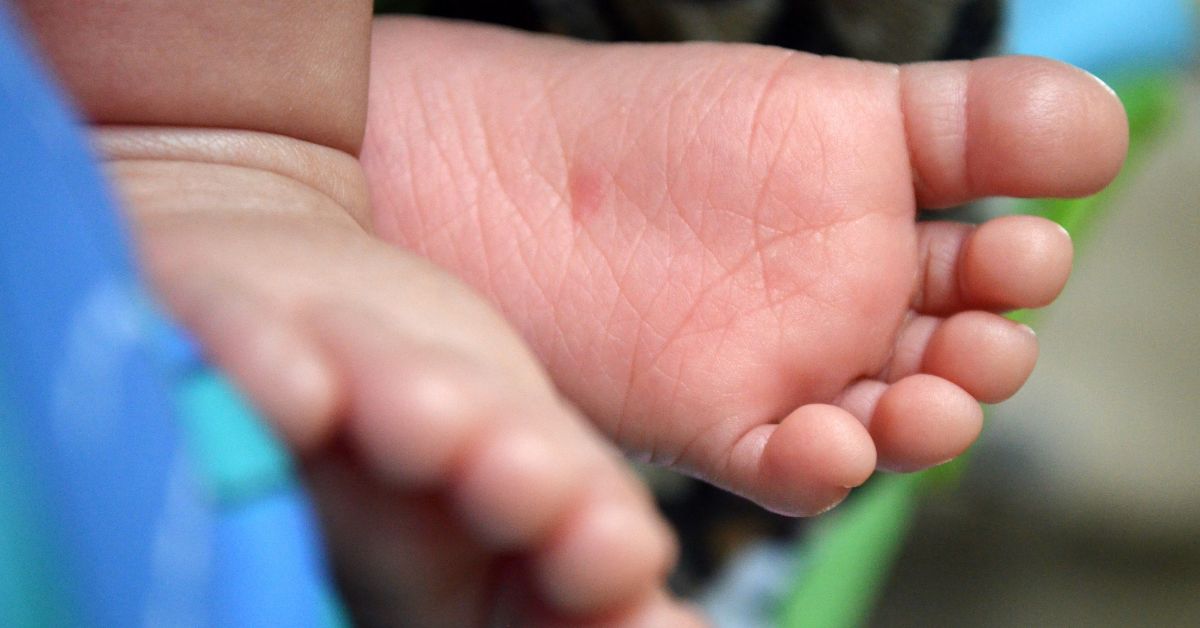
When a toddler is diagnosed with metatarsus adductus, parents often have one major question: what treatment is actually best? The answer is not always simple. Some children need only observation, while others may benefit from stretching, corrective footwear, bracing, or casting depending on the severity and flexibility of the foot.
Metatarsus adductus is a common foot alignment condition where the front part of the foot curves inward. In many children, especially mild and flexible cases, the condition may improve naturally over time. However, when the curve is more noticeable, stiff, or persistent, a pediatric specialist may recommend treatment to guide the foot into better alignment.
Understanding Metatarsus Adductus in Toddlers
Metatarsus adductus affects the forefoot, meaning the front portion of the foot turns inward while the heel usually remains in a more normal position. From above, the foot may appear curved or “C-shaped.”
Parents may notice signs such as:
- Toes pointing inward
- A curved outer edge of the foot
- One foot appearing more affected than the other
- Intoeing when the child begins walking
- Difficulty fitting into regular shoes
The key question doctors often consider is whether the foot is flexible or rigid. A flexible foot can usually be gently moved into a straighter position. A rigid foot is harder to correct manually and may require more structured treatment.
Why Treatment Depends on Severity
There is no single treatment that is best for every toddler. The right approach depends on the child’s age, foot flexibility, walking pattern, and whether the condition is improving or staying the same.
Doctors may consider:
- How much the forefoot curves inward
- Whether the foot can be corrected by hand
- Whether walking is affected
- Whether one or both feet are involved
- Whether the condition is mild, moderate, or severe
Many mild cases are monitored rather than treated aggressively. Pediatric sources note that metatarsus adductus may resolve spontaneously in many children, and treatment is not always necessary.
What Are Corrective Shoes?
Corrective shoes are designed to help hold the foot in a better position. For metatarsus adductus, these may include straight-last shoes or other modified footwear that supports improved forefoot alignment.
Parents researching metatarsus adductus shoes for toddlers are usually looking for a less restrictive option than casting, especially when the child is already walking or becoming more active.
Corrective shoes may be used when:
- The foot is flexible
- The curve is mild to moderate
- The child has already responded to stretching or casting
- The goal is to maintain improvement
- The doctor wants a less restrictive treatment option
Some pediatric orthopedic guidance notes that if the foot responds to casting, straight-last shoes may be prescribed afterward to help maintain the corrected forefoot position.
Benefits of Corrective Shoes
Corrective shoes can be appealing because they are often easier to manage in daily life than casts. Toddlers are active, curious, and constantly moving, so parents naturally prefer treatments that allow more normal movement when medically appropriate.
Potential benefits include:
- More freedom of movement
- Easier bathing and hygiene
- Less disruption to daily routines
- Better comfort for some toddlers
- Easier use during walking and play
Corrective shoes may also feel less intimidating for families compared with casting. They can be part of a conservative treatment plan when the foot does not need full immobilization.
Limitations of Corrective Shoes
Corrective shoes are not automatically the best solution for every child. If the foot is rigid or significantly curved, shoes alone may not provide enough corrective force.
Limitations may include:
- Less control than casting
- Slower or limited correction in rigid cases
- Need for consistent use
- Possible fit issues
- Less effectiveness if the deformity is severe
Shoes can help guide alignment, but they do not replace proper medical evaluation. If a toddler’s foot cannot be gently straightened, a stronger intervention may be needed.
What Is Serial Casting?
Serial casting is a more structured treatment used to gradually correct the position of the foot. During this process, a specialist gently positions the foot and applies a cast to hold it in place. After a period of time, the cast is removed and replaced with a new one that continues the correction.
Casting may be recommended when:
- The foot is stiff or rigid
- The curve is moderate to severe
- Stretching has not helped
- The child is at risk of persistent deformity
- The doctor wants more controlled correction
Medical references describe serial casting as one of the nonsurgical treatment options used for metatarsus adductus, along with orthoses, splints, and modified shoes.
Benefits of Casting
Casting provides more control than shoes because it holds the foot in a corrected position for an extended period. This can be useful when a toddler’s foot does not respond well to simple stretching or footwear.
Potential benefits include:
- Stronger correction for rigid feet
- More consistent positioning
- Less reliance on toddler cooperation
- Structured treatment supervised by a specialist
- Useful for more severe cases
Casting can be especially helpful when the foot needs gradual correction and cannot be adequately guided by shoes alone.
Challenges of Casting for Toddlers
While casting can be effective, it can also be inconvenient. Toddlers are active, and wearing a cast may affect mobility, hygiene, sleep, and play.
Common challenges include:
- Difficulty bathing
- More clinic visits
- Skin irritation risk
- Reduced movement
- Frustration for active toddlers
- Extra care needed to keep the cast clean and dry
Parents should ask the doctor how long casting may be needed, how often casts are changed, and what warning signs to watch for during treatment.
Corrective Shoes vs. Casting: The Main Difference
The biggest difference is the level of control.
Corrective shoes guide the foot while allowing more natural movement. Casting holds the foot in a fixed corrected position and applies more continuous correction.
A simple way to compare them:
- Corrective shoes may suit flexible or improving cases.
- Casting may suit rigid, persistent, or more severe cases.
- Shoes after casting may help maintain correction once improvement is achieved.
This is why the best treatment is not always “shoes or casting.” In some cases, both may be used at different stages.
Which Option Is Best for Toddlers?
The best option depends on the toddler’s specific condition.
Corrective shoes may be better when:
- The foot is flexible
- The child is walking comfortably
- The curve is mild or moderate
- The goal is support or maintenance
- The doctor does not see a need for casting
Casting may be better when:
- The foot is stiff
- The curve is severe
- The foot cannot be manually corrected
- Earlier conservative methods did not work
- The specialist wants stronger correction
Parents should avoid choosing based only on convenience. Shoes may be easier, but casting may be more appropriate in certain cases. On the other hand, casting may be unnecessary for a flexible foot that is already improving.
Questions Parents Should Ask the Doctor
Before choosing a treatment, parents should ask clear questions during the evaluation.
Helpful questions include:
- Is my child’s foot flexible or rigid?
- Is the condition mild, moderate, or severe?
- Can we start with observation or stretching?
- Are corrective shoes appropriate for this case?
- Is casting necessary now, or can it wait?
- How long would treatment last?
- What happens if we do nothing?
- Will this affect walking later?
The more specific the answers, the easier it is to choose the right plan.
Why Early Evaluation Matters
Toddlers grow quickly, and foot alignment can change during early development. Early evaluation helps determine whether the condition is improving naturally or becoming more persistent.
If treatment is needed, earlier care may be easier than waiting until the foot becomes more rigid or walking habits become more established. Pediatric orthopedic guidance often emphasizes assessing flexibility and severity before choosing treatment.
Supporting Your Toddler During Treatment
Whether the treatment involves shoes, casting, or monitoring, parents play a major role in the process.
Helpful steps include:
- Follow wearing instructions carefully
- Attend scheduled follow-up visits
- Watch for skin irritation
- Avoid forcing the foot into position
- Use only doctor-recommended footwear or devices
- Track changes in walking and foot shape
If your toddler seems uncomfortable, develops swelling, or shows skin changes, contact the healthcare provider promptly.
Final Thoughts
Corrective shoes and casting both have a role in treating metatarsus adductus, but they are not interchangeable. Corrective shoes may be helpful for flexible or improving cases, while casting may be more appropriate for rigid or more severe deformities.
The best treatment is the one that matches the toddler’s age, foot flexibility, severity level, and overall development. With proper evaluation and early guidance, most children can achieve improved alignment and continue developing healthy walking patterns.